Guide · beginner
How to build a wall ball strategy
The wall balls come after eight kilometres of running and seven other stations, so your plan has to work when you are tired.
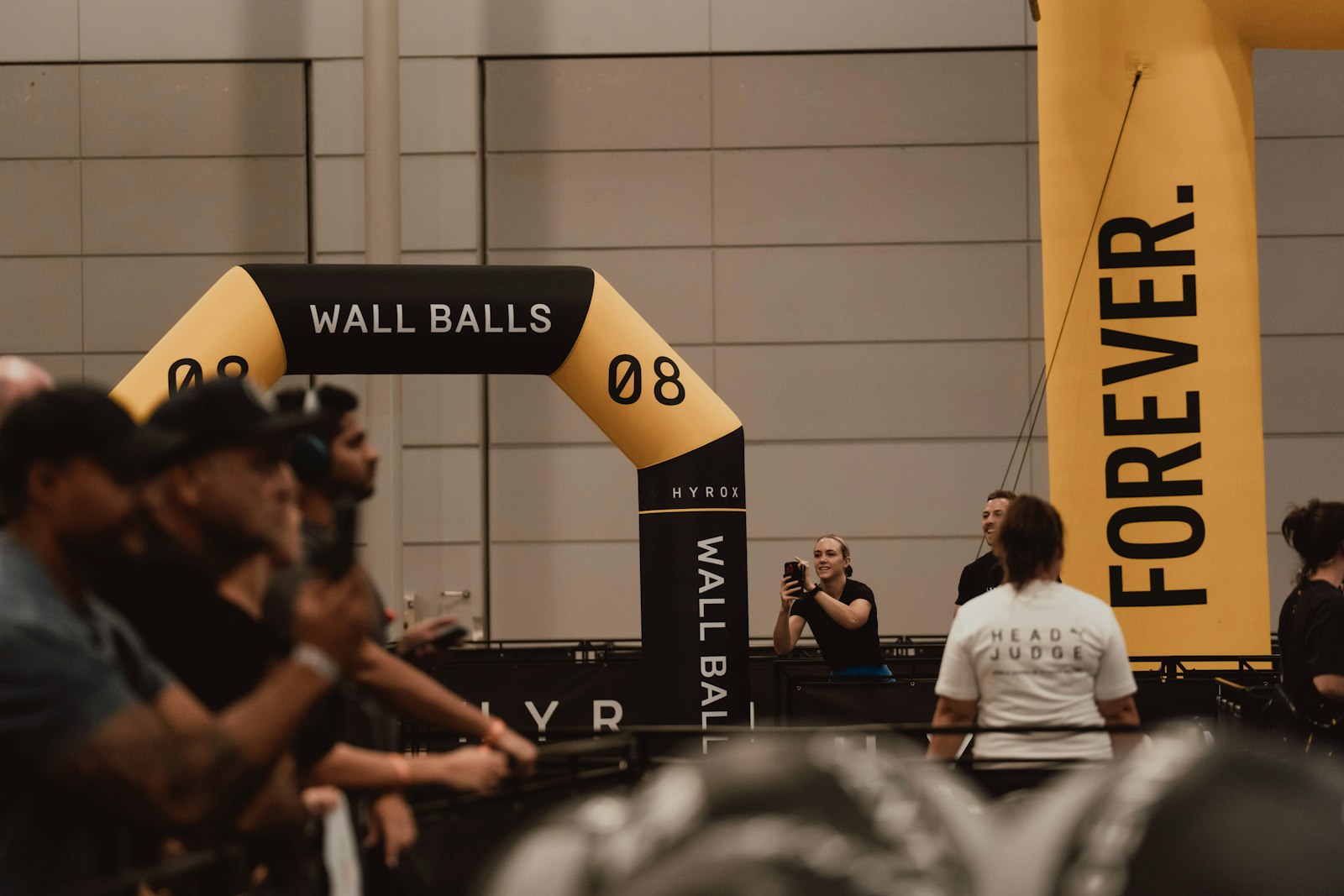
In your first race, a good wall ball plan gives you a rhythm you can repeat, reps that meet the movement standard and enough left to keep moving toward the finish. A set you can finish comfortably at the start of a workout feels very different at the end of a race.
The race format lists 100 wall balls in the current individual race, with the ball weight set by division. Confirm the target and movement standards for your event in the current rulebook before you build your plan.
Start with a repeatable set
Choose a set size you can complete with consistent depth and accurate throws, then rest briefly and repeat. Five sets of 20 is a useful starting point, but it is only an example. If the last reps of your first set are already unreliable, use smaller sets.
Plan the breaks as carefully as the sets. Count breaths or use a clock so a short pause does not become a long one, and adjust on race day if your technique starts to break down.
Train the movement before adding fatigue
Practise squatting to the required depth and sending the ball to the target in one smooth motion. Keep the ball close enough to control it on the way down, and use a weight and target that let you make valid reps consistently.
A missed target or a squat that is too shallow can mean a rep does not count. Read the current singles rulebook for the standards that apply, rather than relying on what your gym accepts.
Rehearse the final station
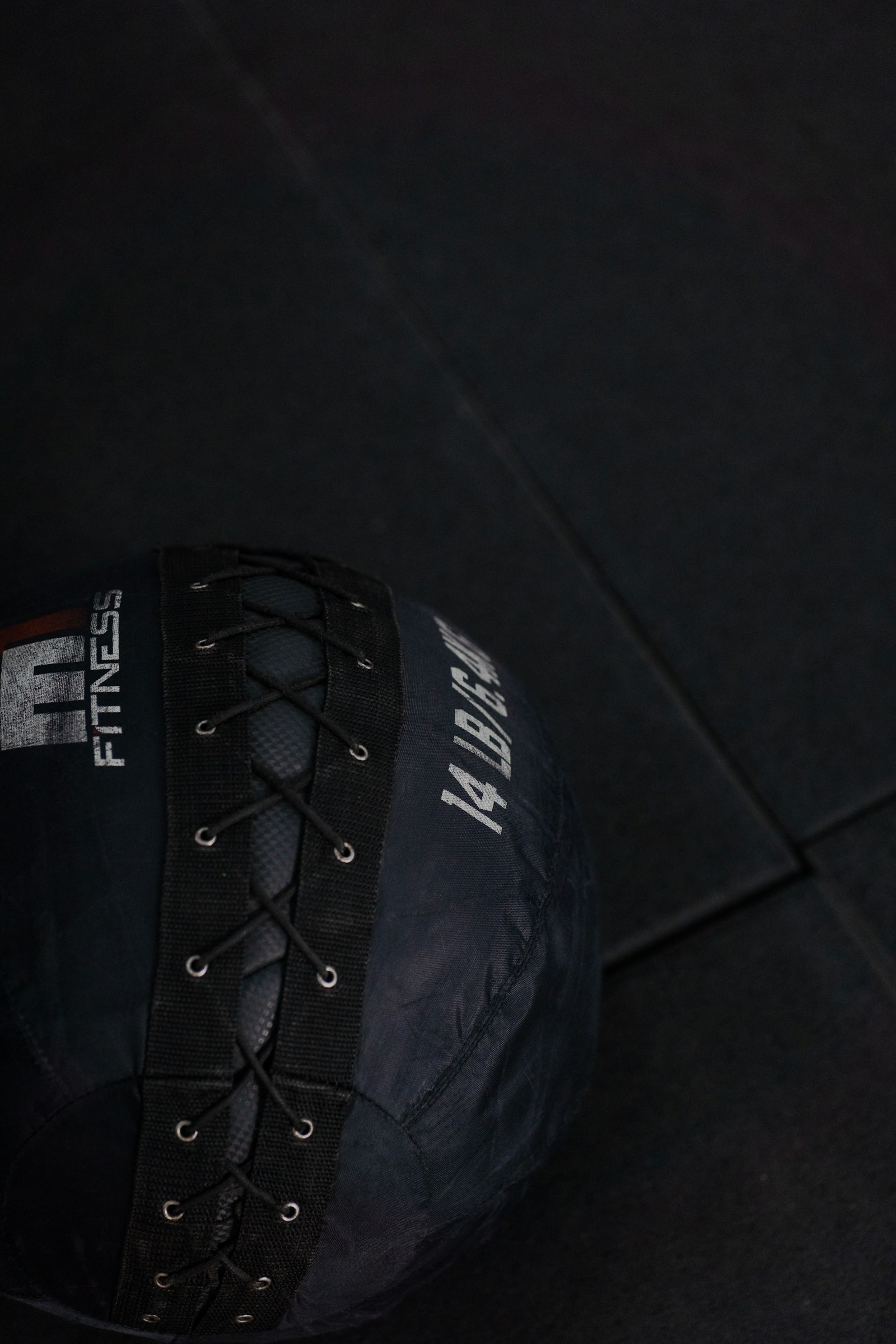
Once the movement feels comfortable, practise wall balls after a controlled run or another station. For example, run 400 metres at a manageable effort, complete a set of wall balls, recover, and repeat for three rounds. Pick a rep count that lets you keep your technique for the whole session.
Use those rounds to learn how quickly you can settle your breathing and start a valid set. Build confidence with the movement while fresh first, and do not treat 100 reps after every workout as a requirement.
Execute on race day, do not experiment
Write down your opening set, a smaller backup set and a rest cue. If the opening plan feels too aggressive, switch early rather than waiting for repeated no-reps. A manageable set done cleanly sets you up for the next one better than a long set that leaves you unable to restart. Our guide to pacing your first race covers how to arrive at this station with something left.
Frequently asked questions
How many wall balls are in a race?
The current individual race format lists 100 reps. Check your division's requirements and the current rulebook before racing.
Should I do all 100 wall balls unbroken?
Only if you have practised it at your race weight and can keep making valid reps when tired. Planned smaller sets are a sensible strategy if you cannot sustain one continuous set.
Sources
- 01The Fitness Race: format, stations and weights, HYROX. Checked Invalid Date.
- 02Rulebook (singles), HYROX. Checked Invalid Date.
Spotted an error? Tell us. Corrections are noted on the page. See our editorial standards.